Sem categoria
-
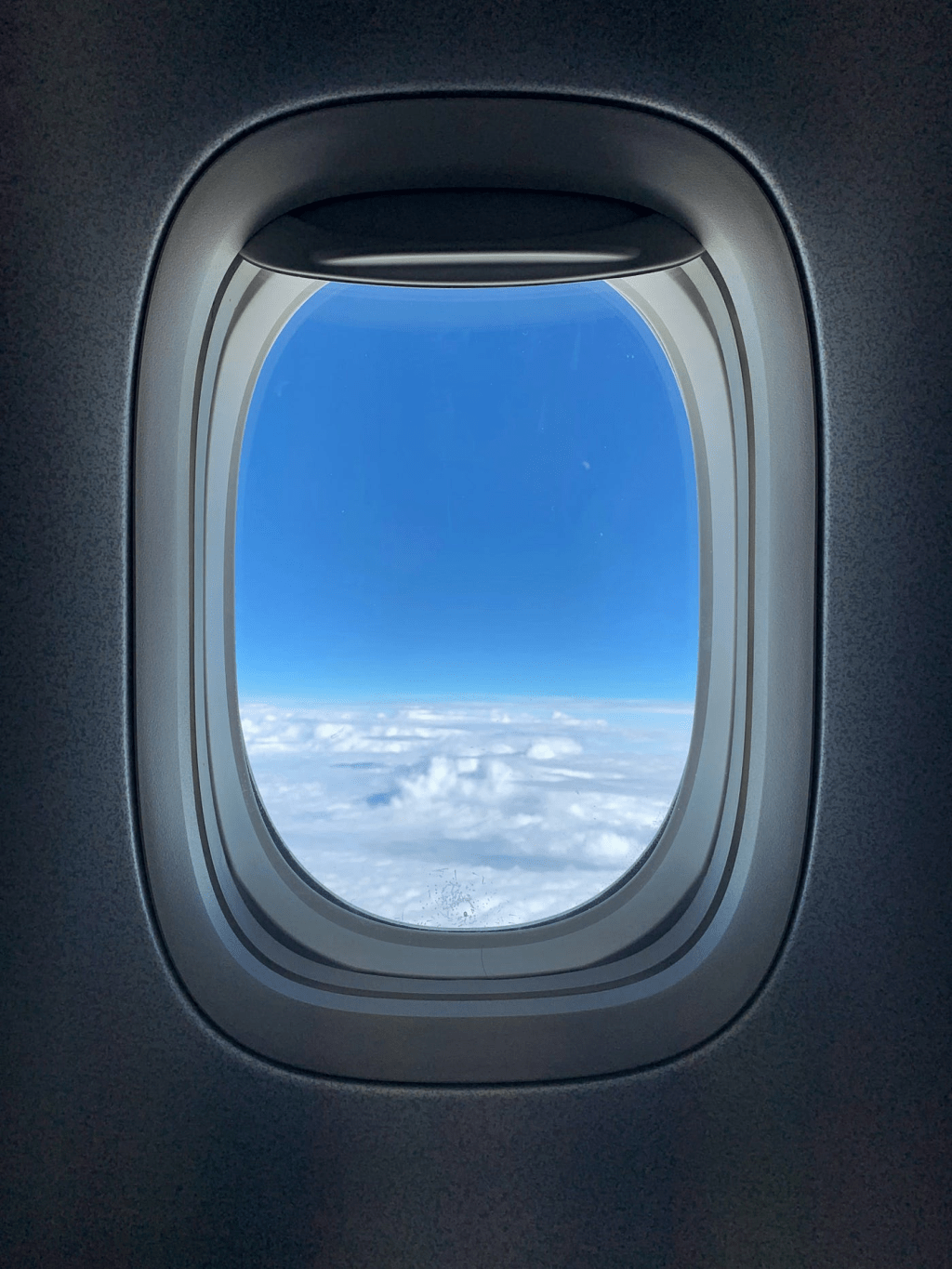
Why Airplane Windows Are Round
If you’ve ever sat on a window seat, you’ve probably noticed something interesting: the window isn’t a square. They’re always rounded, usually oval-shaped. That’s not a design choice for comfort or aesthetics. It’s there because the wrong window shape once caused… Continue reading
-
Why Footballs Fly Better in Spirals
If you’ve ever thrown a football or even watched a game on TV, you’ve probably noticed something: when the ball spins perfectly, it flies straight and far. But when it wobbles, it ends up very inaccurate. There’s a scientific reason… Continue reading

-
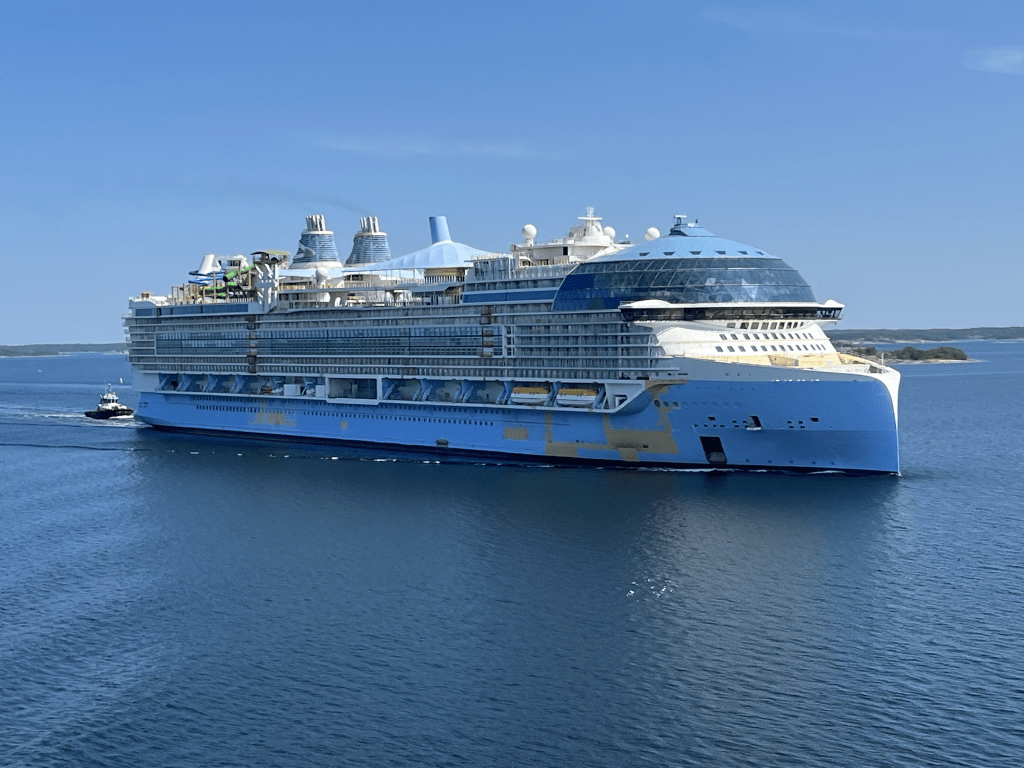
How boats float
Boats are made of metal, wood, and plastic, which are materials that normally sink. So how do ships that weigh thousands of tons stay on top of the water instead of just sinking? Let’s dive in and see how it all… Continue reading
-
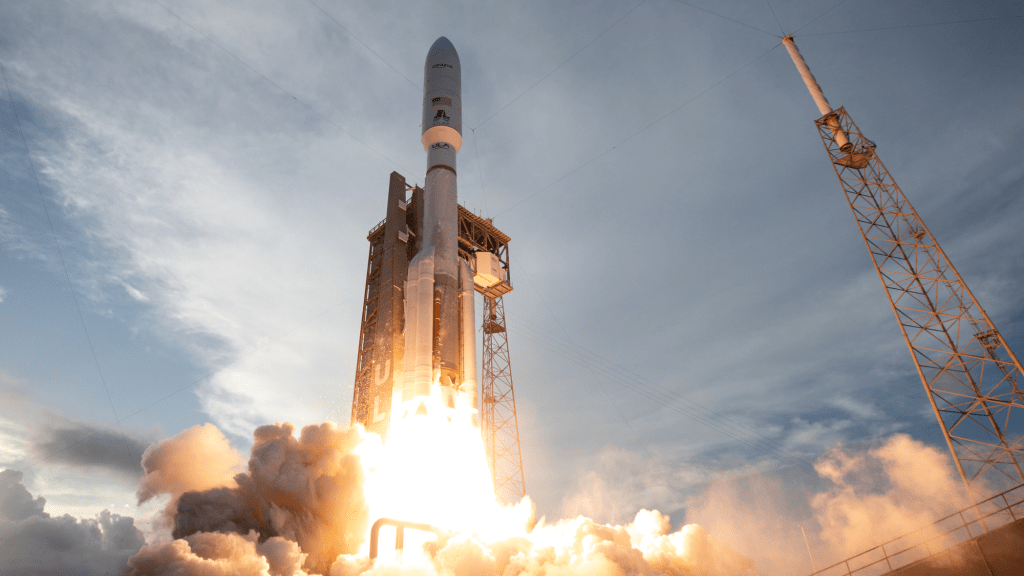
How rockets leave Earth
Every rocket launch begins the same way: a countdown, a burst of fire, and a deep rumble that shakes the ground. Then, suddenly, something magical happens. But have you ever wondered how that’s even possible? It’s pure science and clever engineering Thrust… Continue reading
-
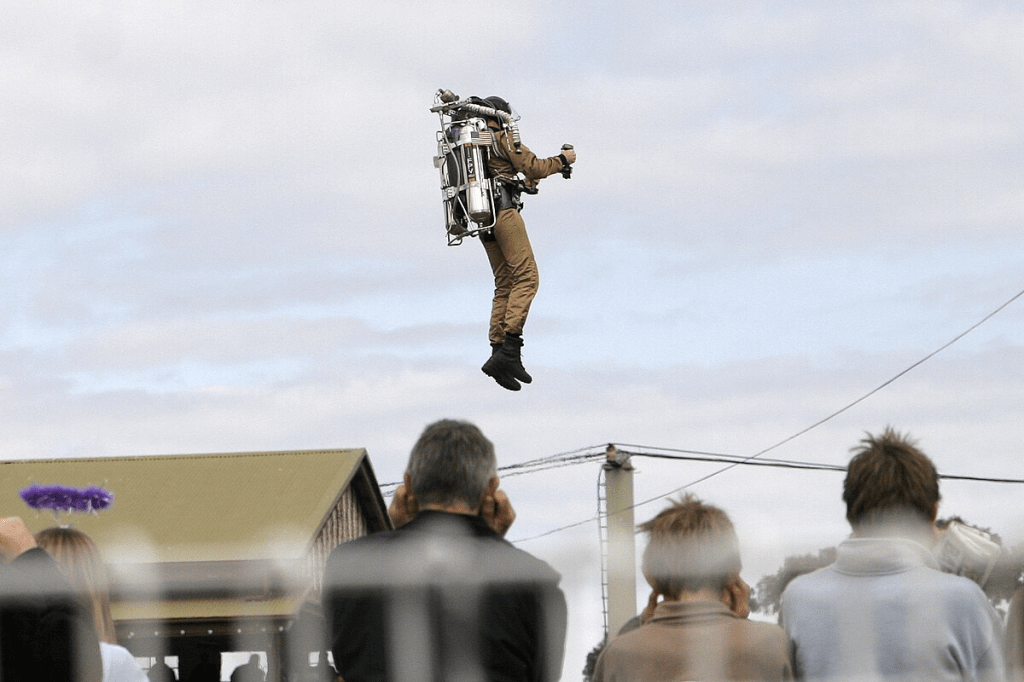
How jetpacks work
Jetpacks are the staple of 1980s sci-fi movies. Turn any of them on, and I guarantee you will see people commuting to their jobs on jetpacks. While they are not widespread, real ones do exist, and the science behind them… Continue reading
-
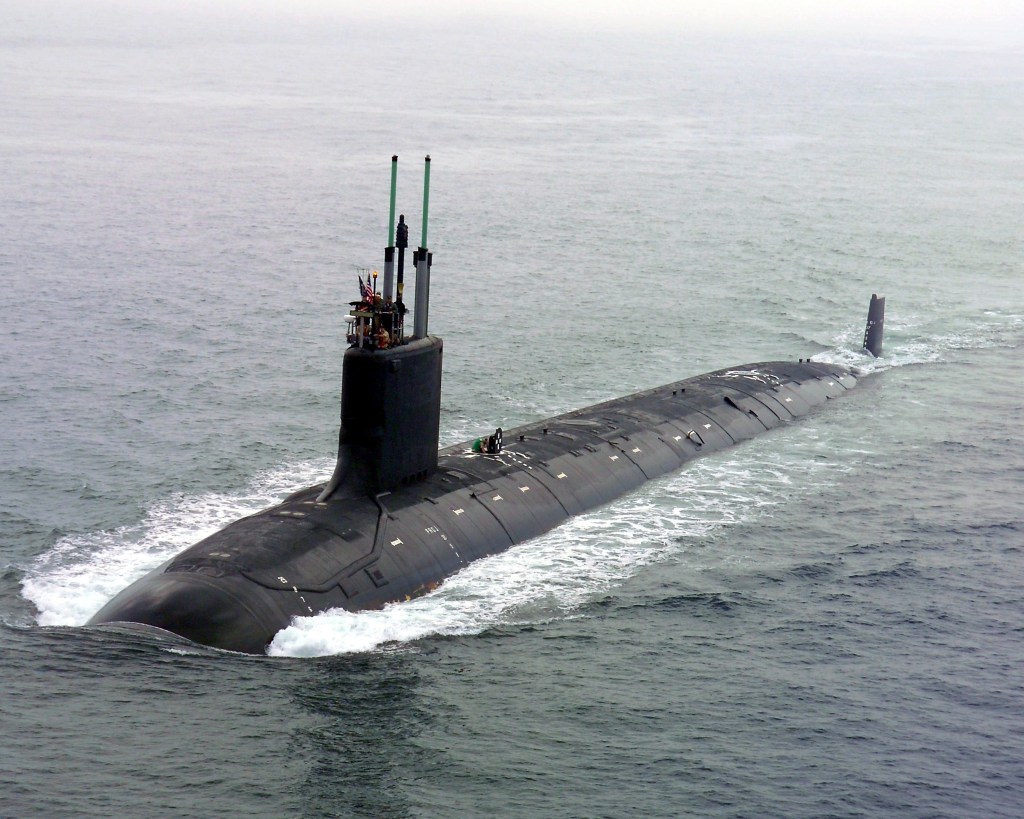
How submarines work
Submarines seem like magic. They are massive machines that can sink deep into the ocean and rise back up on command. But it’s not magic. It’s science and engineering working together using something called buoyancy. Let’s break it down. Buoyancy Buoyancy is the… Continue reading
-
How bridges work
Bridges seem simple: just metal structures that let us cross over rivers, roads, or valleys. But behind every bridge is careful design and engineering. So how do bridges actually stay up even under the weight of cars, trucks, and time?… Continue reading

-
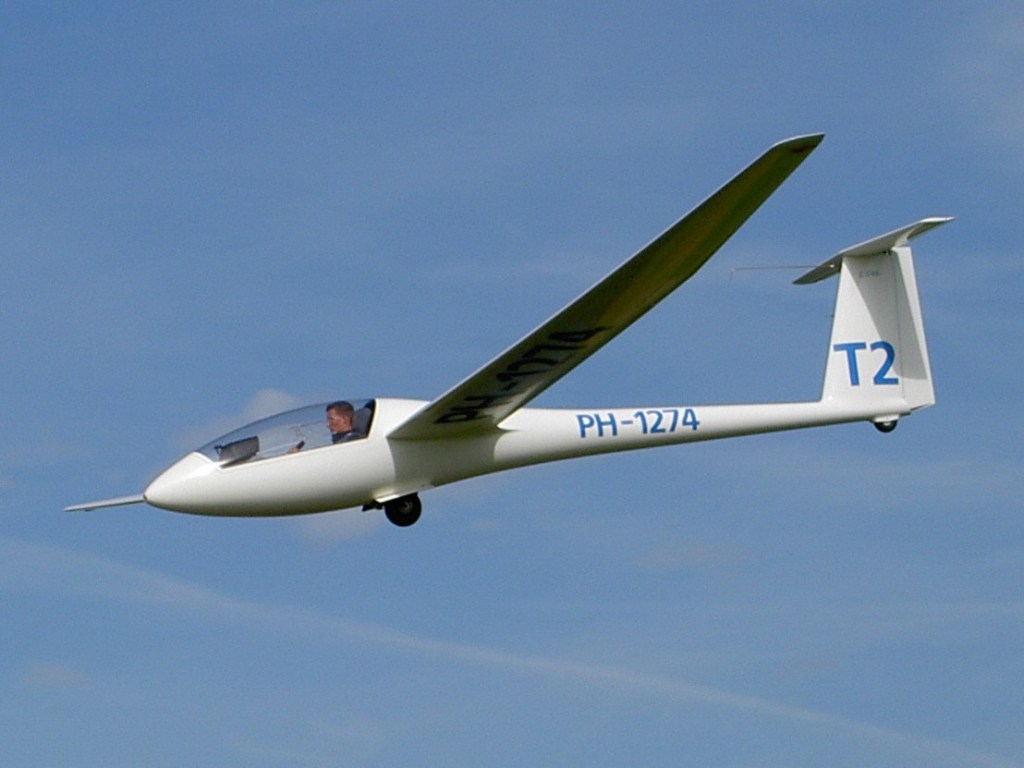
How gliders work
Gliders are airplanes without engines. That might sound impossible. How can something fly with no engine? But gliders use the same basic forces as any other aircraft: lift, drag, weight, and thrust. The difference is how they manage those forces… Continue reading
-
How helicopters fly
Helicopters are among the most versatile and fascinating flying machines, capable of performing tasks that other aircraft cannot. Their unique ability to hover, take off, and land vertically, makes them invaluable in various applications. But how do these incredible machines… Continue reading

-
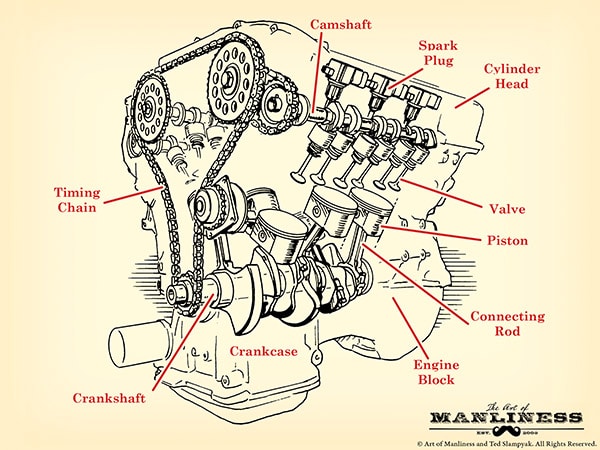
Understanding the Internal Combustion Engine: Components and Functions
The engine that makes your car move is called an internal combustion engine. This is because the engine works basically through controlled mini-explosions inside the structure that generate power. To understand how an engine works, we must first understand what… Continue reading
 Beginner Engineer