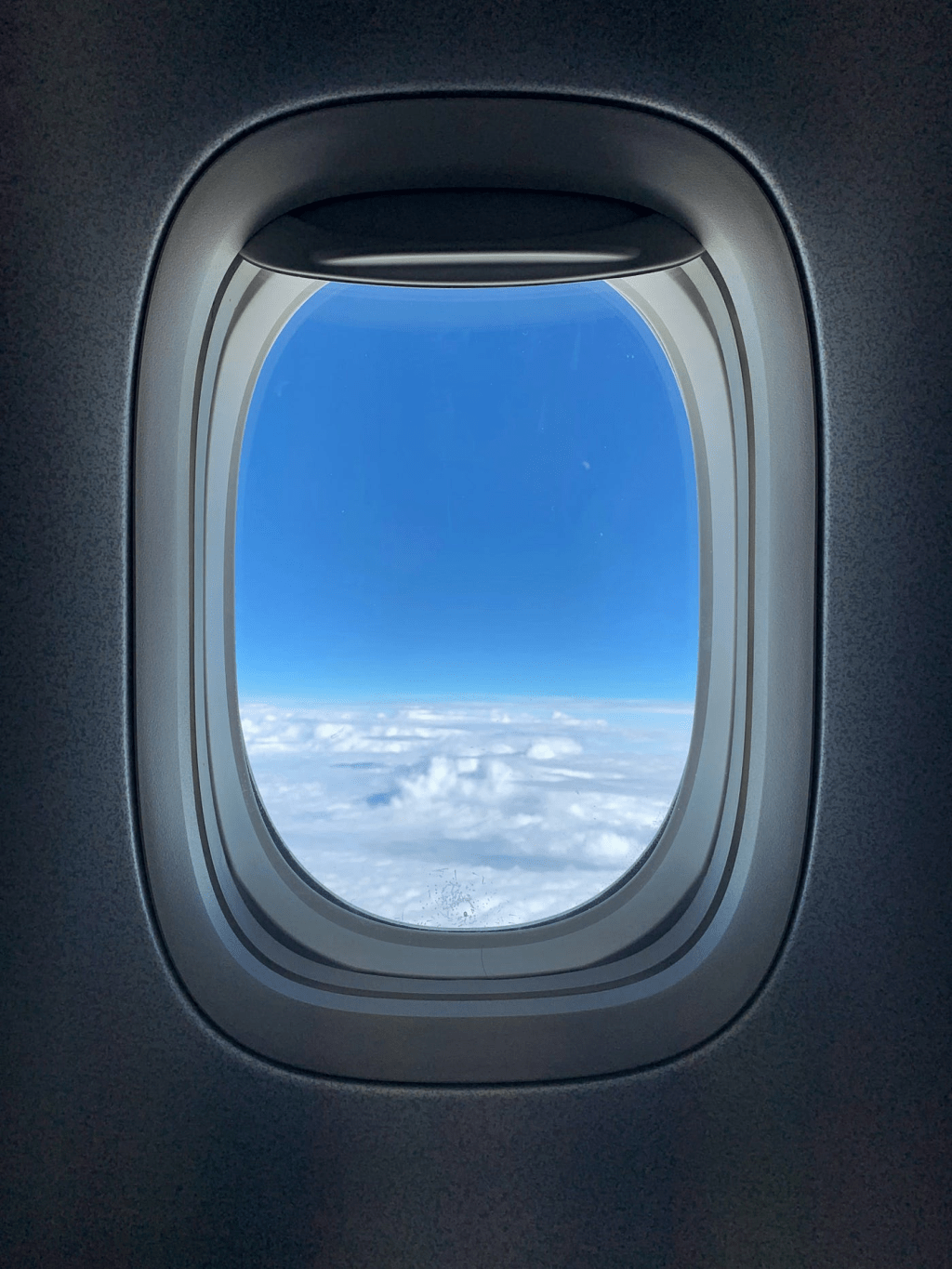
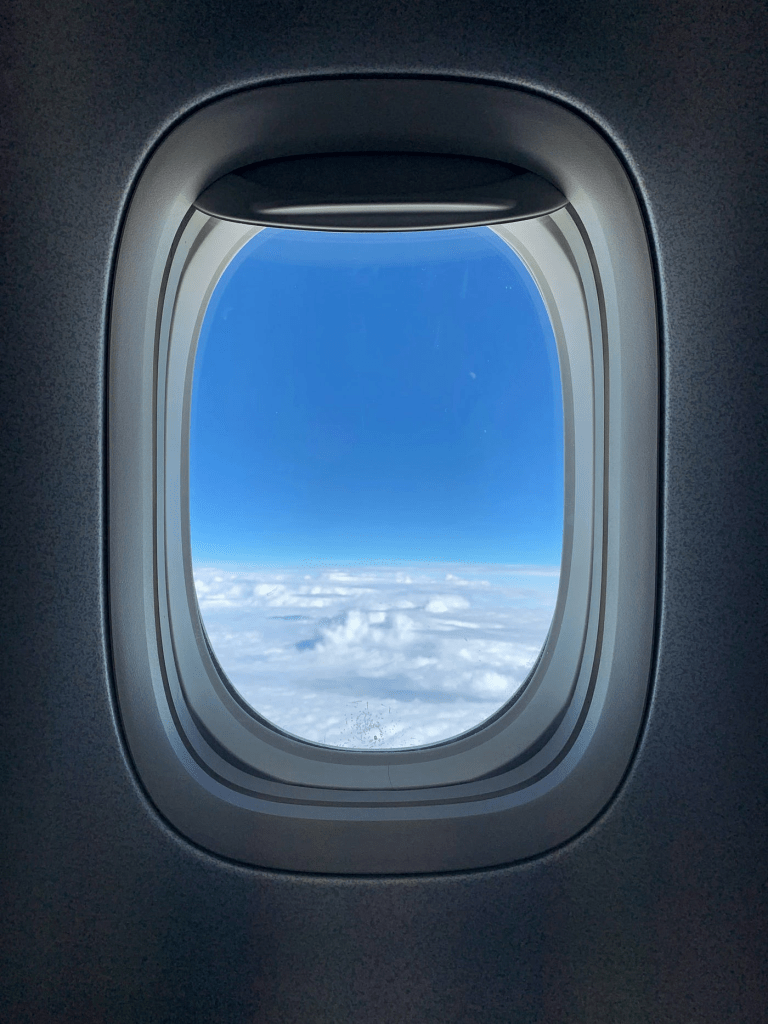
If you’ve ever sat on a window seat, you’ve probably noticed something interesting: the window isn’t a square. They’re always rounded, usually oval-shaped. That’s not a design choice for comfort or aesthetics. It’s there because the wrong window shape once caused planes to break apart midair. There’s a very real engineering reason why airplane windows are round.
The Pressure Problem
When an airplane climbs, the air outside gets thinner. To keep passengers comfortable, the cabin is pressurized. Air always pushes outward, and when there’s more pressure inside the plane than outside, the stronger inside push makes the fuselage expand slightly. This happens on every flight, over and over again, for years.
That repeated expansion creates stress in the metal. Engineers care a lot about where that stress goes, because if too much of it concentrates in one small spot, cracks can begin to form.
Why Corners Are Dangerous
In the early jet age, some airplanes used square windows. The problem with squares is their corners. Sharp corners concentrate stress into very small areas. Instead of spreading evenly, the pressure loads pile up right at the corner of the window.
Over many flights, tiny cracks formed at those corners. Each time the plane pressurized, the cracks grew a little more. Eventually, the metal failed. This is exactly what happened to the de Havilland Comet, one of the world’s first commercial jetliners, which suffered multiple midair breakups and forced engineers to completely rethink aircraft design.

How Round Windows Solve It
Round shapes don’t have corners, which means there’s no single point where stress can concentrate. When pressure pushes outward on a round window, the force spreads smoothly around the entire edge. The metal flexes evenly instead of tearing at one weak spot.
Imagine drawing a square and a circle on a stretched balloon. As the balloon inflates, the square distorts sharply at the corners, while the circle stretches evenly in all directions. Airplane cabins behave the same way. Shapes that stretch smoothly last longer and fail less often.

 Beginner Engineer
Leave a comment