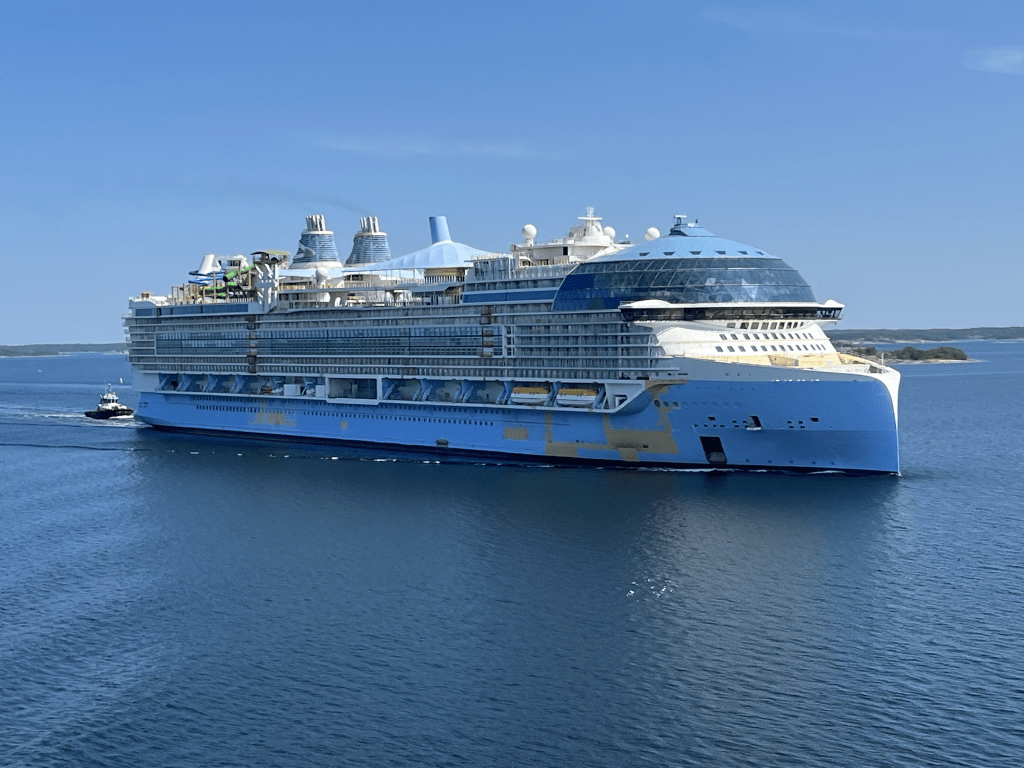
Boats are made of metal, wood, and plastic, which are materials that normally sink. So how do ships that weigh thousands of tons stay on top of the water instead of just sinking? Let’s dive in and see how it all works.
Buoyancy
The answer to the question lies in one of the most surprising forces in nature: buoyancy.
The idea comes from a scientist named Archimedes, who lived over 2,000 years ago.
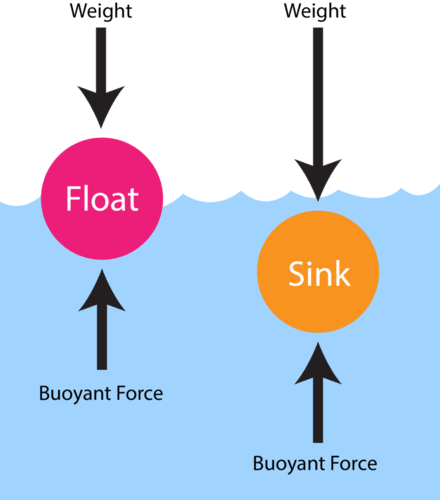
He discovered that when you put something in water, the water pushes it upward. This upward push is called the buoyant force. This is named Archimedes’ Principle. If the buoyant force is stronger than the object’s weight, it floats. If it’s weaker, it sinks.
Shape Matters
A flat, hollow shape pushes aside more water and spreads the weight out, making it easier to float. That’s why boats have wide hulls and curved bottoms. If you shape a ball of aluminum foil into a bowl, it floats. But if you crush it into a tight ball, it sinks.
Buoyancy is all about how much volume the ship occupies in the water (how much water it displaces).
Where to Learn More
https://www.sciencebuddies.org/stem-activities/aluminum-foil-boats-float – Prove it to yourself with an experiment!
https://youtu.be/_At0W-BxTYA?si=h5c_Lb4-YzY77aog – A visual explanation of the concept!

 Beginner Engineer
Leave a comment