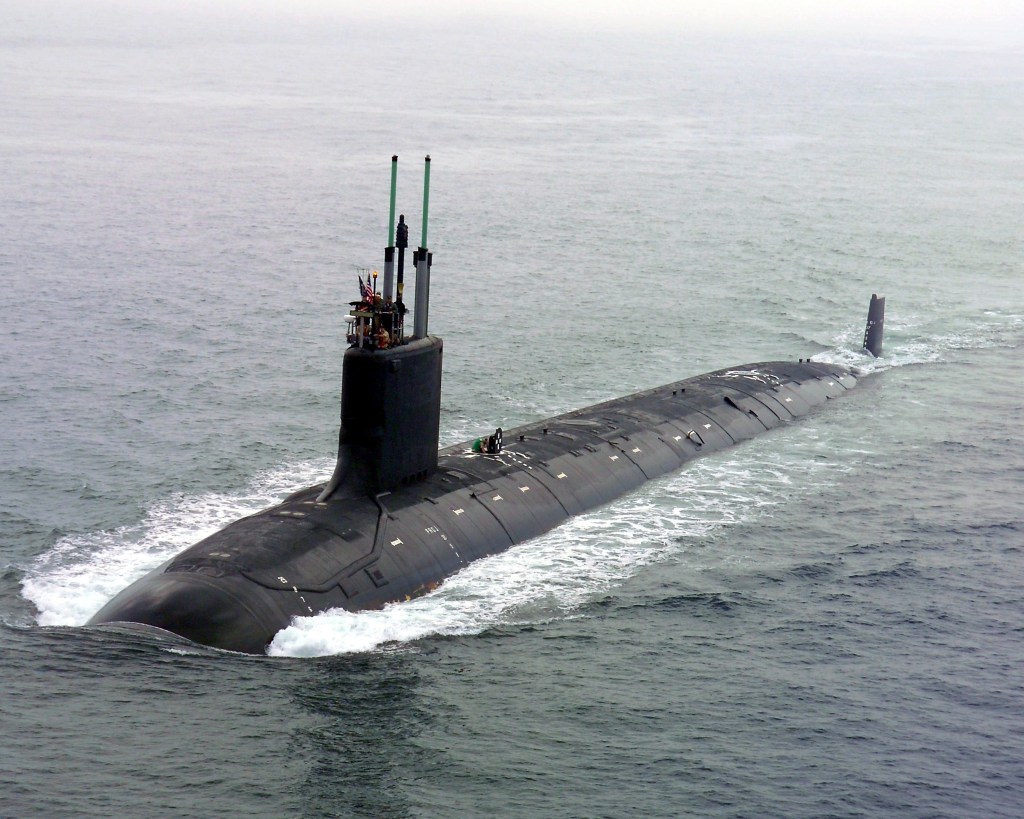
Submarines seem like magic. They are massive machines that can sink deep into the ocean and rise back up on command. But it’s not magic. It’s science and engineering working together using something called buoyancy.
Let’s break it down.
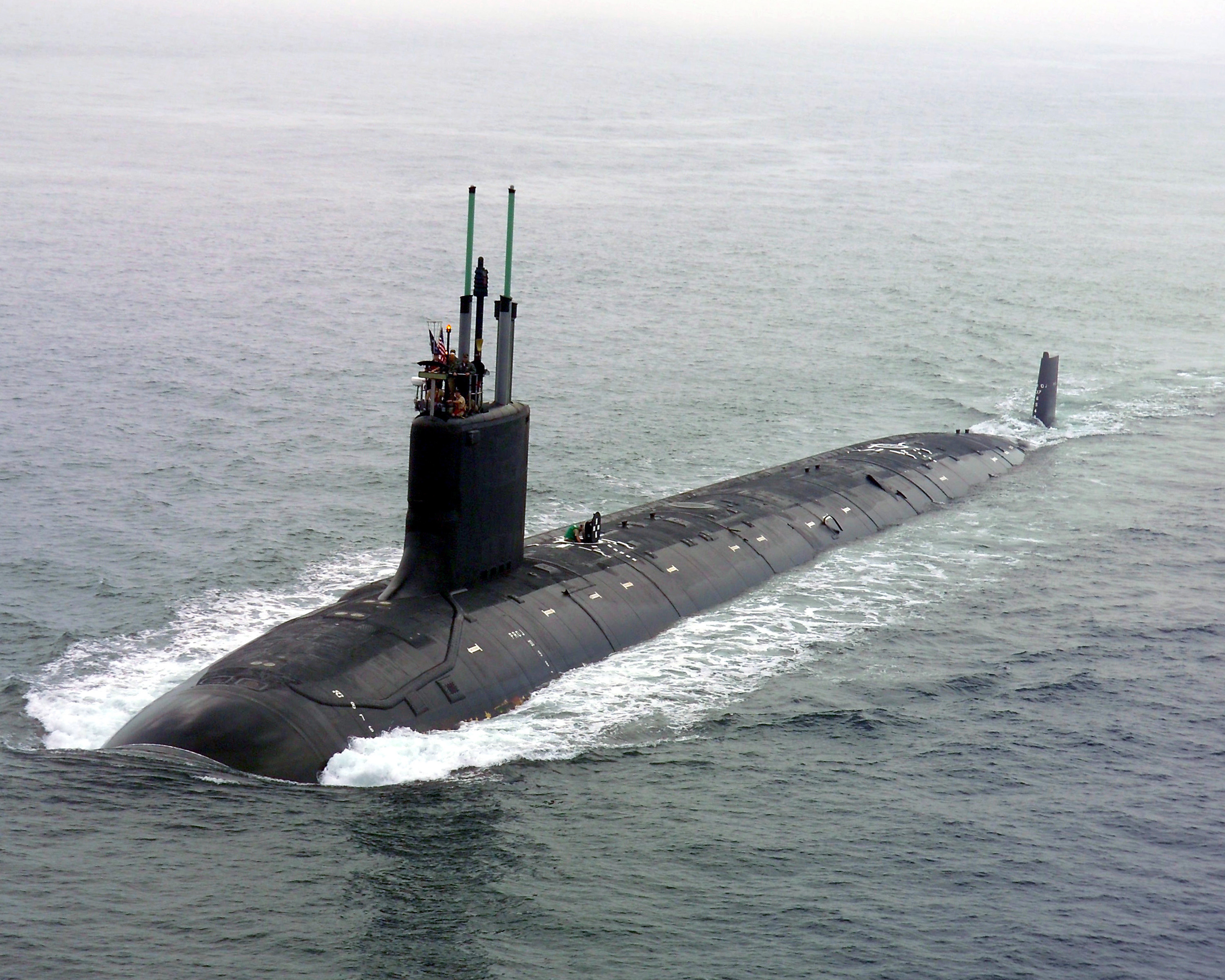
Buoyancy
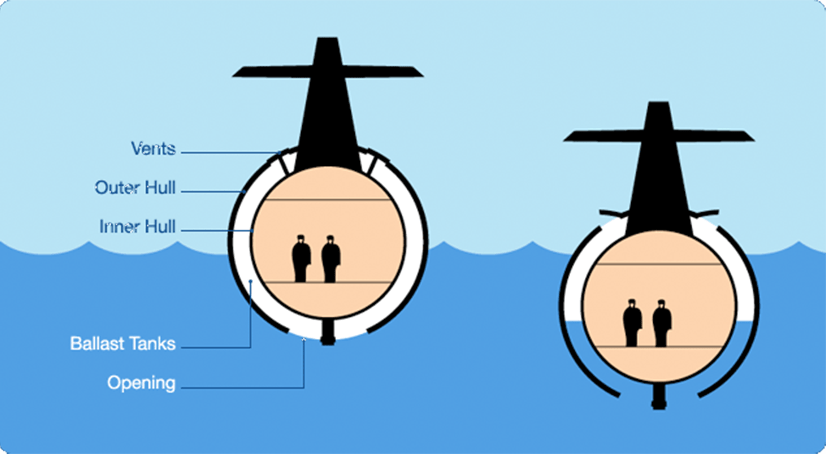
Buoyancy is the upward force water applies to objects (there is an equation for the force of buoyancy). When something is less dense than the water around it, it floats. If it’s more dense, it sinks. Submarines are designed to control their density by managing how much water and air they carry in large tanks inside of them. These tanks, known as ballast tanks, are very important to diving and surfacing.
Diving and coming back
When a submarine wants to dive, it opens valves at the top of its ballast tanks (usually under the submarine). This allows seawater to rush in and fill the space, pushing out the air inside. As more water enters the tanks, the submarine becomes heavier and denser than the water around it. Eventually, the force of gravity becomes greater than buoyancy, and the submarine sinks below the surface!
To come back up, the process is very similar. The submarine pumps compressed air into the ballast tanks, forcing the seawater out through the same valves they came in. As the water is replaced by air, the submarine becomes lighter and less dense. Once it’s less dense than the surrounding water, the buoyancy pushes it back toward the surface.
Ready to learn more?
NatGeo Kids- How Submarines Work
A short, engaging video with more visuals and experiments on buoyancy!
Fun Kids (UK) – How do submarines sink and float?
A story-style audio explaining buoyancy

 Beginner Engineer
Leave a comment